

Collection:
Protein Powder & Whey
3 products
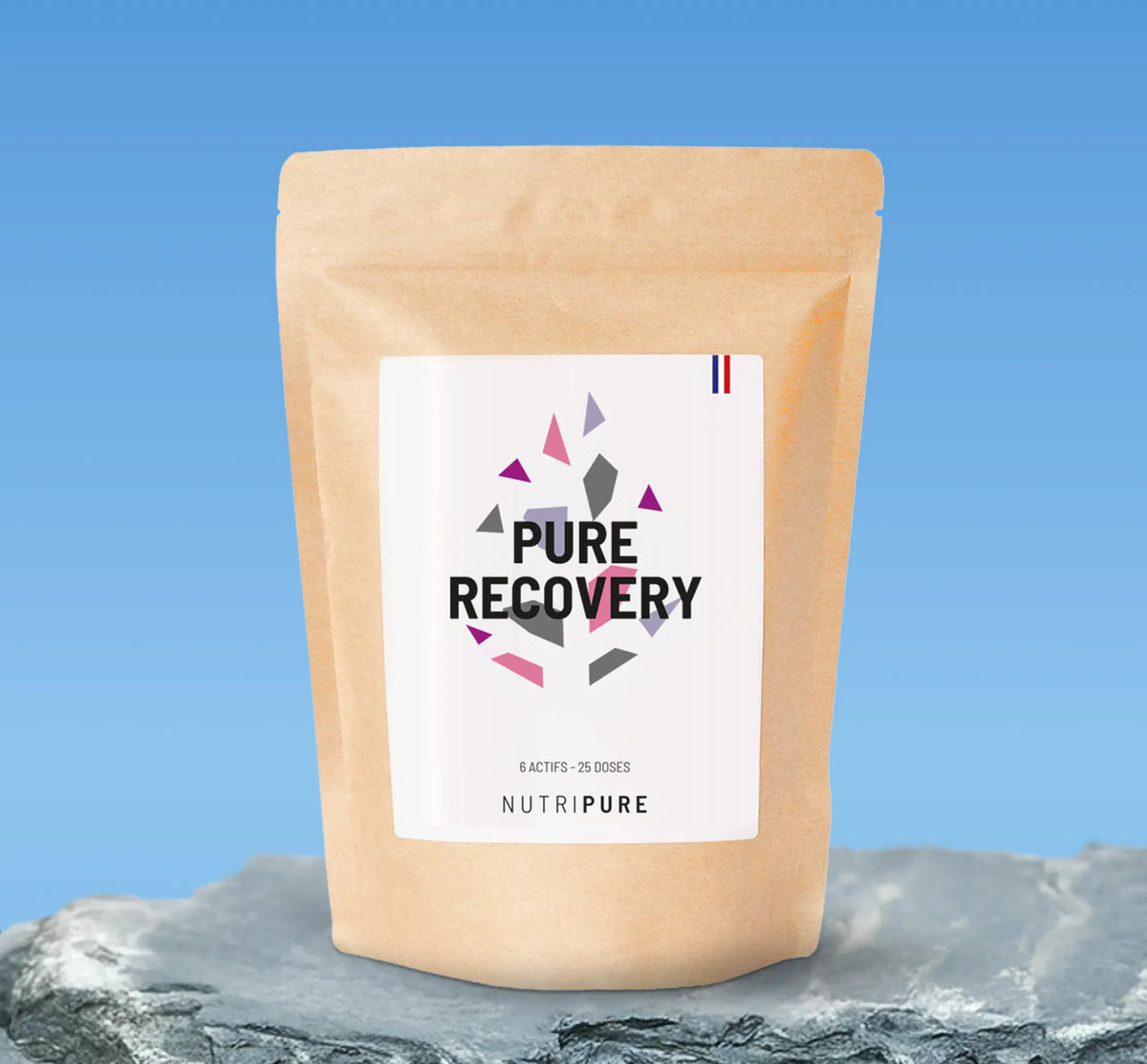

To boost your high-intensity training sessions and optimise your recovery

Whey Protein and Protein Powder: What They Are and Why People Use Them
Whey protein has become one of the most widely used supplements among people who train. Behind that popularity sits an essential macronutrient: protein, which your body needs in order to function properly. Extracted from milk or from cheesemaking, whey is valued for its nutritional quality and for how quickly it is absorbed.
But what does it actually do? Is it only for strength training, or is it useful day to day? Here is what whey protein is, why people take it, and how to fit it sensibly into your routine.
Why Protein Matters Every Day
Long before it was associated with strength training, protein was understood as one of the fundamental building blocks of living things. Every cell in your body depends on it, whether in your muscles, your skin, your organs or your immune system.
Protein belongs to the macronutrient family and is made up of chains of amino acids. There are 20 in total, 9 of which are essential amino acids that your body cannot produce on its own. These have to come from your diet every day, because unlike carbohydrates the body cannot store them.
Protein is involved in building and repairing tissue, and in active people the requirements increase significantly.
This is where whey protein becomes relevant. Some studies suggest that its rapid digestion and high amino acid content may support muscle protein synthesis after exercise [1].
Why Consume Protein?
Contrary to a common assumption, protein is not only about building visible muscle. It forms the structural basis of your body, since every cell contains it and depends on it. Its role goes well beyond sport.
- Muscle mass. Protein contributes to the growth and maintenance of muscle mass. After exercise it supplies the amino acids involved in repairing muscle micro-damage.
- The thermic effect of protein. Digesting protein uses more energy than digesting carbohydrates or fat. This thermic effect may account for 20 to 30 % of the calories consumed [2].
- Convenience. Protein powder is a simple way to top up your intake and reach your daily target without adding unnecessary fat or sugar.
- Meeting your daily needs. An adequate protein intake contributes to the maintenance of muscle mass. Protein also contributes to the maintenance of normal bones.
Did you know? Protein is often described as the most satiating macronutrient. Some studies suggest that it may help increase the feeling of fullness and make it easier to regulate food intake across the day.
Daily Requirements: How Much Protein Per Day?
The right amount depends on your body weight, your activity level and your age. The simplest way to think about it is in grams of protein per kilogram of body weight per day (g/kg/day).
- Sedentary: 0.8 to 1 g/kg/day [3]. This is the minimum threshold for the body's basic functions.
- Older adults: from 1.2 to 1.5 g/kg/day. A higher intake has been associated with a slower age-related loss of muscle mass, known as sarcopenia [4].
- Active adults: 1.4 to 2.0 g/kg/day, to support protein turnover and adaptation to training [5].
- Endurance sports: 1.2 to 1.5 g/kg/day, an intake associated with endurance performance and the preservation of lean mass [6].
- Strength training: 1.6 to 2.2 g/kg/day, the range most often cited in relation to muscle protein synthesis [7].
For example, a 75 kg person training with weights would aim for roughly 120 g to 165 g of protein per day.
Men and women: is there a difference? Contrary to a widespread assumption, protein requirements are broadly similar. What differs is body weight and total muscle mass. At equal body weight, an active woman's requirements are comparable to a man's.
Where to Get Your Protein
To cover your needs you can turn to protein-rich foods, whether animal or plant based.
- Animal sources such as eggs, often treated as the reference for their complete amino acid profile, along with meat, fish and dairy, naturally provide all the indispensable amino acids.
- Plant sources such as pulses, tofu, seitan and quinoa are also excellent, although it is worth varying them across the day to obtain a complete amino acid intake.
Reaching a high protein intake through food alone can be difficult, particularly when meals are not available at the moment you need them. Whey protein simplifies this. It is practical, requires no cooking, and offers a good cost per gram of protein. One standard serving of our Whey Isolate Native provides around 26 g of pure protein for very few calories.
To put that in perspective, here is what 30 g of protein looks like across different sources.
| Source | Amount needed for 30 g of protein |
|---|---|
| Whey protein | around 30 g of powder |
| Chicken breast | around 130 g |
| Eggs | around 5 whole eggs |
| Salmon | around 150 g |
| Cooked lentils | around 250 g |
| Cooked brown rice | around 300 g |
Did you know? 1 kg of whey isolate contains around 870 g of protein, compared with 200 to 250 g for 1 kg of meat or fish. That often makes it more economical per gram of protein, as well as quicker to consume.
That said, while protein powder is a useful way to optimise your daily intake, it should not replace a balanced diet.
Understanding Whey Protein
Before choosing the supplement that suits you, it helps to understand what whey protein actually is, where it comes from and why it is so widely used in sports nutrition.
Origin and Production
Whey protein, also called lactoserum, occurs naturally in milk. It can be obtained in two ways:
- directly from fresh milk through filtration processes,
- or as a by-product of cheesemaking.
The higher quality processes used today favour direct extraction from milk, producing what is known as native whey, which is purer and less denatured.
In practice, when milk is processed it separates into two fractions: casein, the solid part, and whey, the liquid part. That whey is then cold filtered to concentrate the protein, and dried to obtain a powder. This process preserves as much of the nutritional quality of the protein as possible, including its structure and its bioavailability.
Nutritional Composition
Whey protein is so widely used because it contains all the essential amino acids, which the body needs and cannot produce alone. It also carries a high concentration of BCAAs, namely leucine, isoleucine and valine.
Depending on the degree of filtration, protein content generally ranges from around 70 % for a whey concentrate to over 90 % for an isolate. Its low fat and sugar content makes it a useful protein source for topping up your intake without weighing down your diet.
According to a 2025 narrative review, whey shows excellent digestibility and a PDCAAS score of 1, which is the maximum score [8]. In practical terms, its protein is very well absorbed and covers essential amino acid requirements efficiently.
The Different Types of Protein Powder
With so many protein supplements on the market it is easy to get lost. Each has its own characteristics in terms of digestion, composition and use. Choosing the right protein starts with understanding those differences.
Dairy Proteins
Milk proteins are the most used in sports nutrition because of their nutritional quality. They can come from several sources:
- skimmed milk, giving casein or milk protein,
- whey from the cheese industry,
- or directly from fresh milk, for what are known as native proteins.
Whey Concentrate
Whey concentrate is the most common form. It generally contains between 70 and 80 % protein, with a moderate amount of lactose and fat, which gives it a creamier texture and a more agreeable taste.
It is a less filtered protein but a perfectly effective one, and often the entry point for newcomers. It suits people who are not working to strict limits on lactose or macronutrients.
Whey Isolate
Whey isolate goes through more extensive filtration, which removes most of the fat and lactose. The result is a purer product containing over 90 % protein.
This type of whey is of particular interest during cutting phases, or if you are looking for a highly purified protein with a very low lactose content. In that case it is often better tolerated by people who are sensitive to lactose.
Hydrolysed Whey
Hydrolysed whey goes through an enzymatic process that pre-digests the protein into shorter fragments, which makes this form extremely quick to absorb.
It is commonly used post-workout, although its taste is often more bitter.
Micellar Casein
Unlike whey, micellar casein is a slow-digesting protein obtained from skimmed milk.
It releases amino acids gradually over several hours, which is why it is often chosen for the evening or before a long period without food.
MPC and MPI
Milk proteins also exist as a concentrate (MPC) or an isolate (MPI). MPC contains roughly 70 to 85 % protein, with a larger share of fat and lactose.
MPI is more filtered, with a protein content above 90 %. The difference therefore comes down mainly to the level of purification and the protein concentration, while keeping the natural ratio between whey and casein, which is 20 % to 80 %.
Plant Proteins
Plant proteins are often made from sources such as pea, rice, hemp or soy. They are a useful option for people following a vegan diet, people who do not tolerate dairy, and anyone who simply wants to diversify their protein sources.
They generally combine several sources, such as a pea and rice blend, in order to obtain an optimal profile and content of essential amino acids and BCAAs.
Egg Protein
Egg protein, usually made from egg white, is treated as a reference in nutrition. It offers an excellent balance of essential amino acids and very good digestibility.
It is a useful alternative for anyone looking for a lactose-free protein while keeping a nutritional quality close to that of whey.
All-in-One Protein Supplements
Some supplements go beyond protein alone by combining several macronutrients or active ingredients to address specific goals.
Gainers
Gainers are calorie-dense supplements, made up mainly of carbohydrates and protein. They are designed to make it easier to increase daily calorie intake for people who struggle to eat enough.
Their purpose is to provide a controlled energy surplus, which is the starting point for any bulking phase.
Post-Workouts
Post-workout formulas are built for the period after training. They generally combine protein with other ingredients such as minerals, creatine or specific amino acids.
The aim is to help you recover by replenishing energy stores and supporting muscle repair.
Which Whey Should You Choose for Your Goal?
Your choice of supplement should always match your profile, your build and the intensity of your training.
Fat Loss and Muscle Maintenance (Cutting)
When the goal is fat loss, the main challenge is to hold on to muscle mass while running a calorie deficit.
The priority is therefore very pure, low-calorie protein sources. Whey isolate and MPI, the milk protein isolate, are particularly well suited thanks to their high protein content above 90 % and their low sugar and fat content. That high protein density lets you optimise your intake without weighing down your daily calorie balance.
In practice, a 30 g serving after training or as a snack is a straightforward way to recover and keep your protein intake regular. If your budget is tighter, whey concentrate or MPC remains an effective and versatile alternative.
Weight Gain and Fast Metabolism (Bulking)
When the goal is to gain mass the logic is reversed: you need a calorie surplus.
If you have a fast metabolism or find it hard to eat in volume, gainers are a practical solution. They combine protein and carbohydrates to deliver an easily consumed calorie surplus. A standard gainer provides around 28 g of protein and 35 g of carbohydrates per 80 g serving, which makes it a useful way to increase your intake without excessive digestive load.
You can also add whey concentrate as a snack alongside it.
Recovery After Intense Training
After a hard session the body has to replenish its energy stores, particularly following endurance work, and repair damaged muscle fibres. Getting nutrients in quickly is a way to make the most of that window.
All-in-one post-workout formulas are useful here. Pure Recovery, for example, provides 22 g of protein alongside creatine, collagen, glycine, magnesium and zinc.
Hydrolysed whey is another good option thanks to its very fast absorption.
Vegan Diet or Dairy Intolerance
For anyone following a vegan diet, reacting poorly to dairy, or simply wanting to diversify their protein sources, plant proteins are an effective and sustainable alternative.
By combining different plant sources it is possible to reach an amino acid profile comparable to animal protein, with a content of around 80 % protein. These blends are now formulated for good digestibility.
In practice, a serving of around 30 g, once or twice a day, is an easy way to top up your intake, with a formula that is generally lactose free, gluten free and better tolerated digestively. A 35 g serving is worth considering when a 30 g dose of protein isolate does not reach the 2.5 g leucine threshold.

